

Why Should You Hire a Garden Designer?
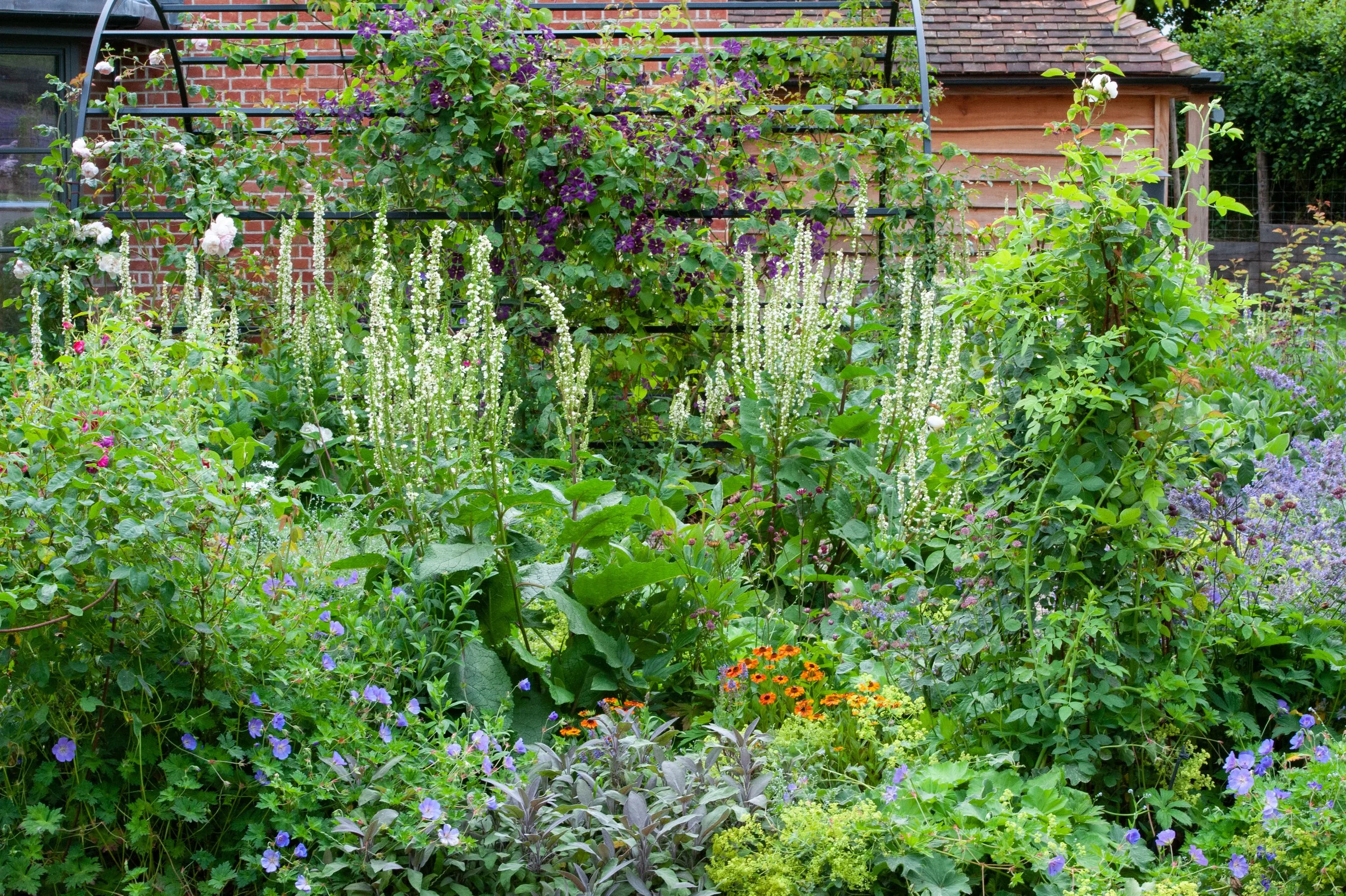
English Country Garden
The launch of an AI-powered garden design platform has sparked an interesting debate. If technology can generate garden layouts and plant lists in minutes, why would anyone still hire a professional garden designer?
The answer lies in what makes a truly successful garden. Gardens are not simply collections of plants and paving. They should be deeply personal spaces, shaped by people, place, memory and experience, delighting those who spend time in them. Designing gardens well requires curiosity, creativity, an understanding of how landscapes evolve over time and how plants grow.
Personal Spaces
To my mind, a garden is a sanctuary: somewhere to retreat, relax, enjoy nature and watch beauty grow. It’s an extension of a home and has the potential to bring enormous happiness and shared joy. Yet magical gardens that seamlessly connect with their surroundings rarely happen by accident.
A professional garden designer does far more than create a visually attractive space. Their role is to shape a landscape that reflects the wishes of the people who live there, responds sensitively to the site, and creates a meaningful connection between the garden, the home and its owners.
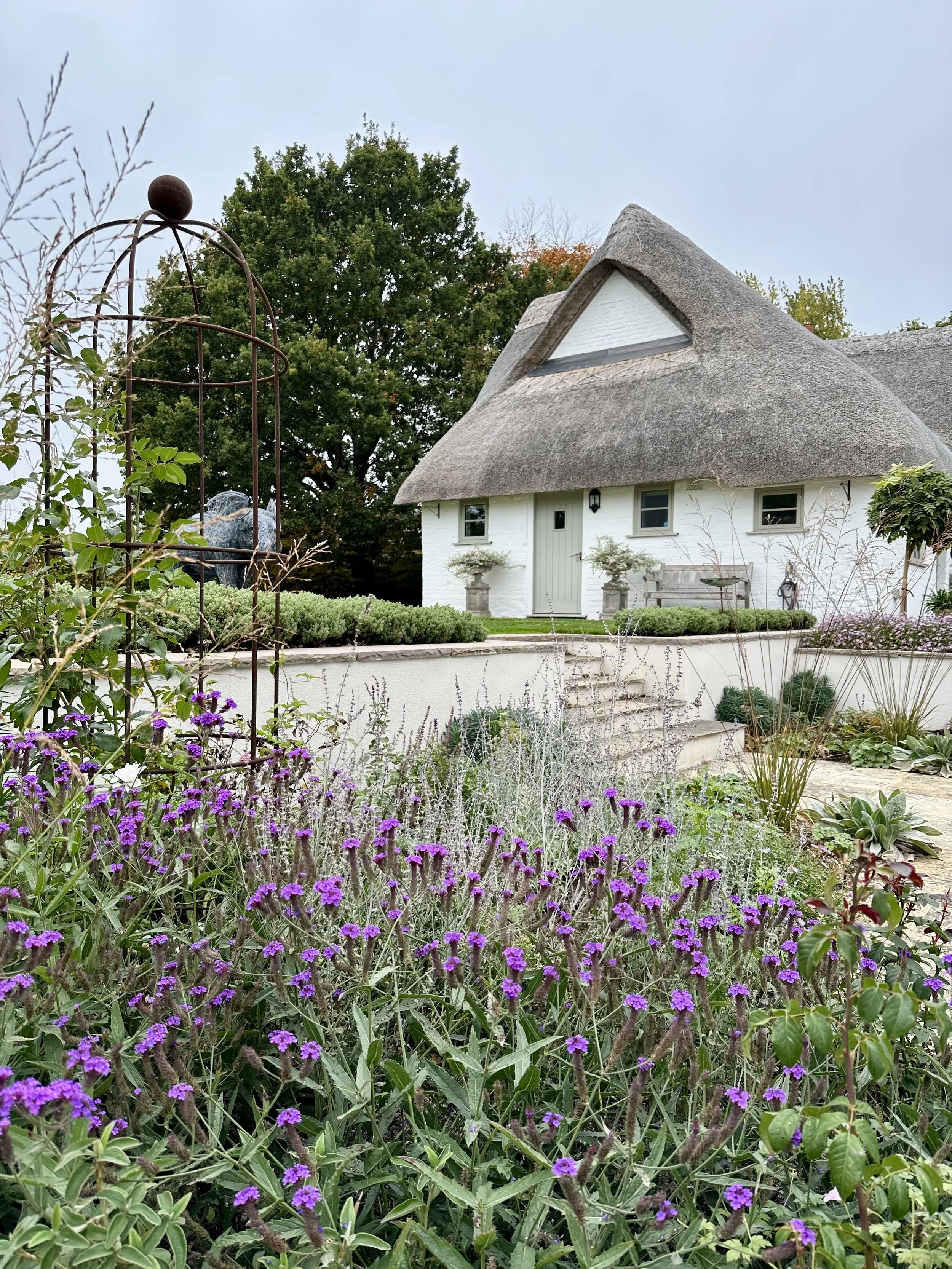
Country Cottage Garden
Beginning with the Brief
Every successful garden begins with understanding how it should feel. Before considering planting or paving, a garden designer will listen and suggest, to establish a clear Brief with their clients:
How will the garden be used?
What atmosphere should it create?
What constraints need to be overcome? (There are usually constraints to be ‘leaned into’.)
What are the priorities?
What should be avoided? (Often the colour orange!)
Do you imagine a calm haven away from the pressures of a busy life? Spaces for entertaining family and friends? A stronger connection to nature where birds, bees and other pollinators enjoy the garden and landscape as much as you do? Somewhere for children to play and explore?
These are some of the hopes and aspirations a garden designer will explore with their clients alongside practical considerations such as budget, timescale and ongoing maintenance.
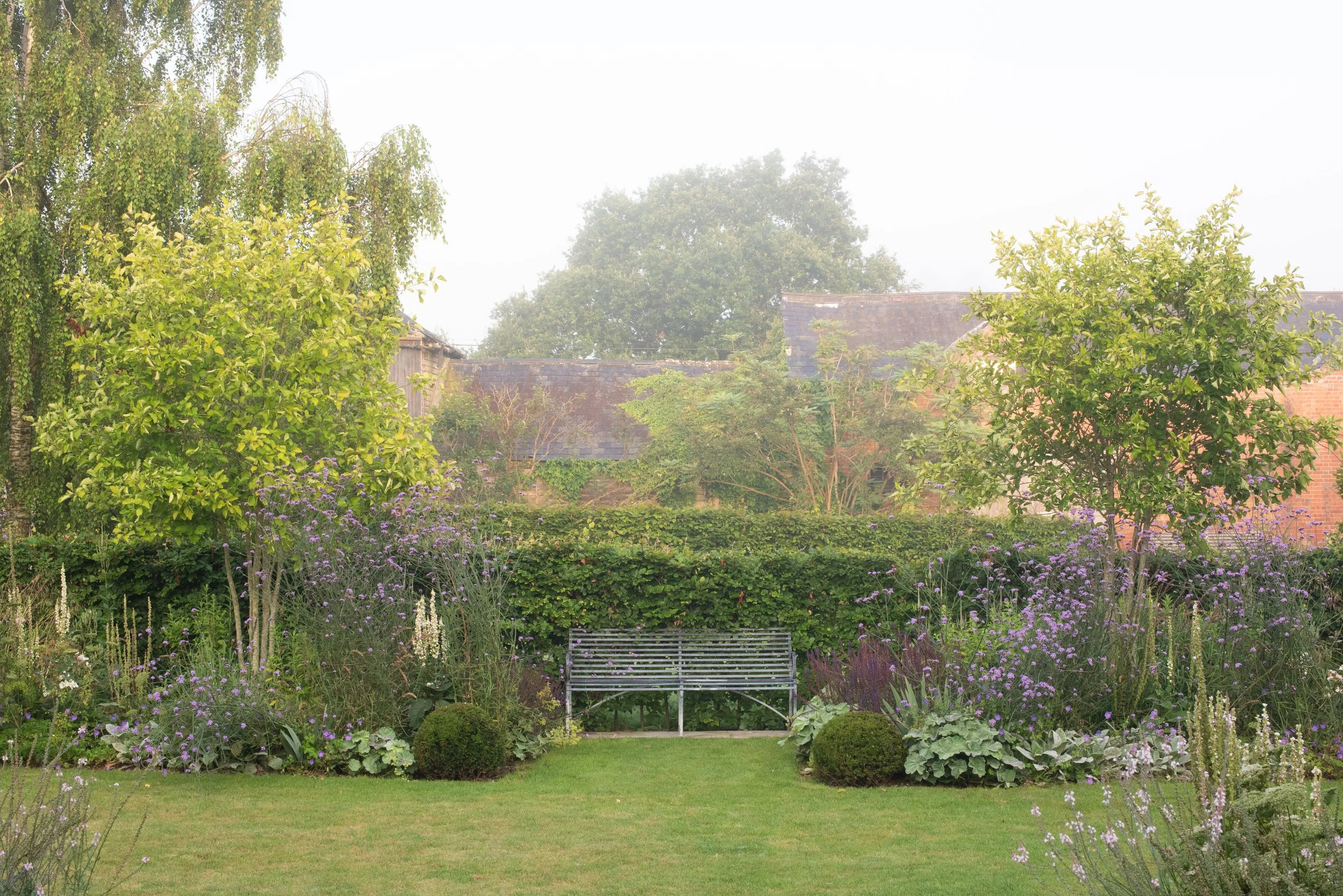
Barn Garden
Understanding the ‘Place’
Before starting any design, we take time to understand the land itself and how it came to be. We study the site's history and surrounding landscape for inspiration, while researching its geology, topography, soil, climate, aspect and ecology to understand what will thrive.
As an example, our research once revealed that an ancient lay line ran through a clients’ landscape, informing where we demarcated the garden with a new, largely hawthorn, hazel and holly native hedge, and explaining the strong positive energy our clients felt when they first viewed the property.
There are often wider environmental and historical considerations too. Listed properties, conservation areas and protected national landscapes can all influence what is possible within a garden. In the same project, there was an area designated a ‘Site of Special Scientific Interest’ which we protected from any landscape changes.
Professional garden designers understand how to navigate constraints sensitively and creatively, establishing landscapes that feel rooted in their surroundings rather than imposed upon them.
Designers can also recommend sustainable solutions that benefit both the environment and the client. Sometimes the most environmentally responsible option can be the most cost-effective too. We have access to specialist knowledge and resources that help identify habitats, materials and planting suitable for the site, supporting biodiversity and long-term climate resilience.
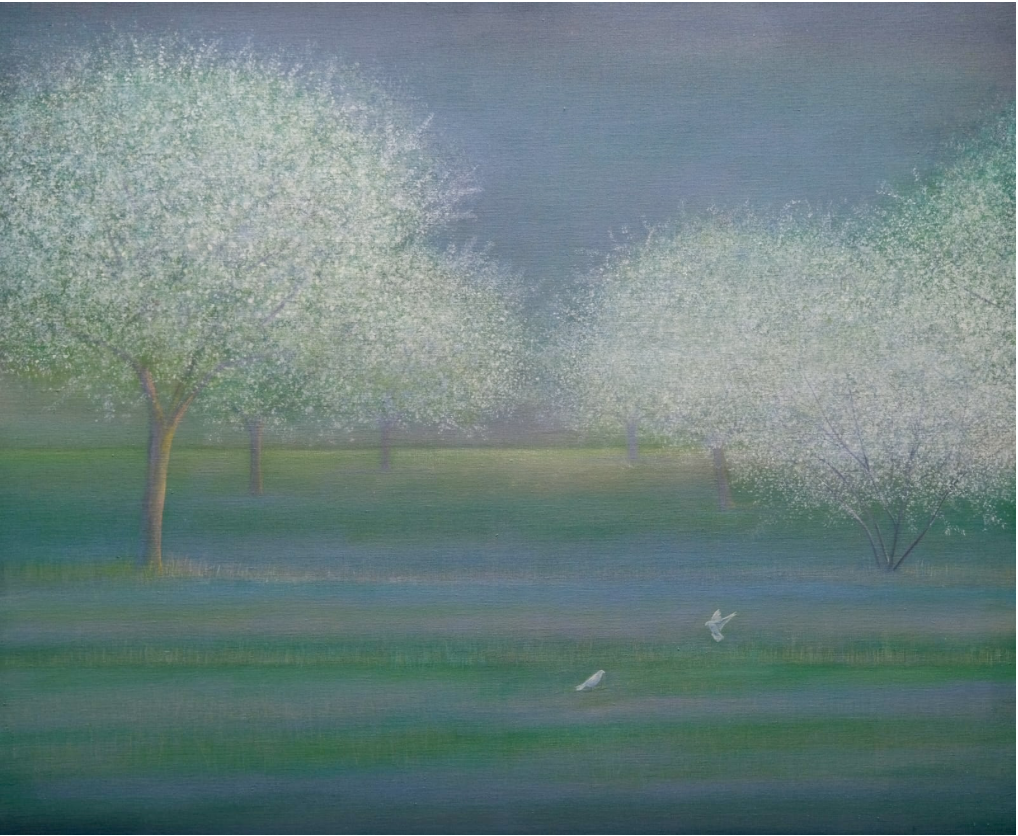
© 2025 Thomas Lamb, Birds with Trees in Flower
Creativity and Vision
A designer's role is ultimately creative: honouring the client's Brief while introducing ideas that move beyond the expected. Taking leaps of imagination rather than simply ‘joining the dots’ which might be how AI currently works.
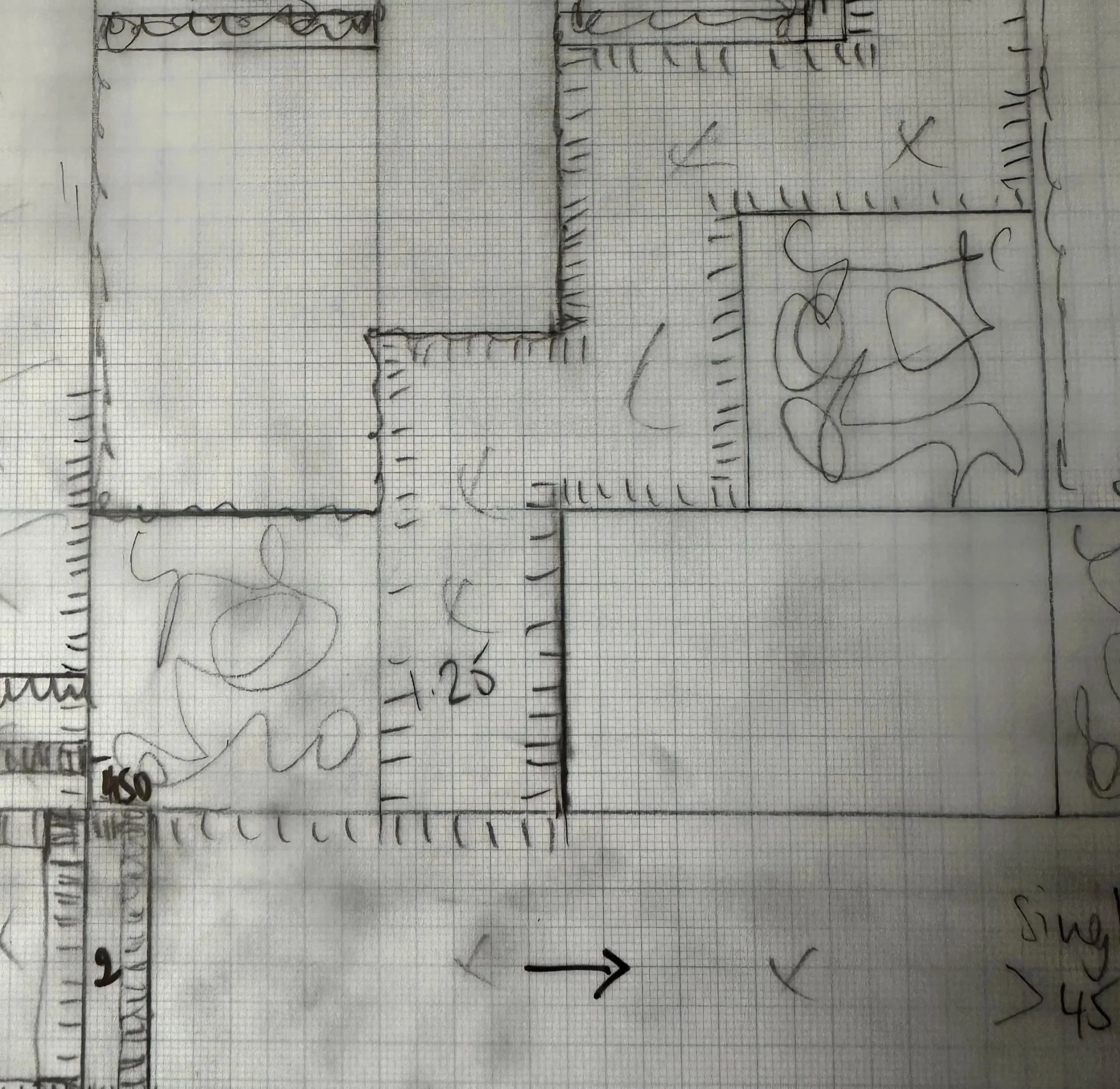
We often refer to this stage as "dreaming" or Design Concept: an opportunity to explore possibilities before practical considerations begin to narrow the options. At this stage, we sometimes introduce images to convey a design idea. After all, a picture can say a thousand words.
This is where the foundations of atmosphere and character begin to emerge: the balance between straight lines and curves, openness and enclosure, the choreography of movement through the garden, and the sensory experience of scent, sound, texture and colour.
These creative decisions are often what create the memorable moments in a garden while still feeling entirely natural and effortless.
Family Garden
Designing Flow
One of the greatest differences between a professionally designed garden and a self-designed space is often the sense of spacial flow.
Gardens should unfold naturally. A designer considers how you move through the landscape spatially, how views are revealed gradually, how different areas connect and transition into one another bringing excitement and delight. The relationship between house and garden is more harmonious if there is continuity in materials, planting and atmosphere.
Thoughtful hard landscaping goes far beyond selecting paving materials. The proportion of pathways, the placement of seating, structural planting and layered textures all contribute to the character of the garden. In many ways, this is where the magic happens.
Site monitoring
From Design to Reality
Creating a beautiful design is only part of the process.
A garden designer works hard to turn ideas into reality through comprehensive drawings, planting plans, detailed specifications and tender documentation. This is the heavy lifting that allows clients to appoint the right contractor and ensures high-quality plants and materials are sourced.
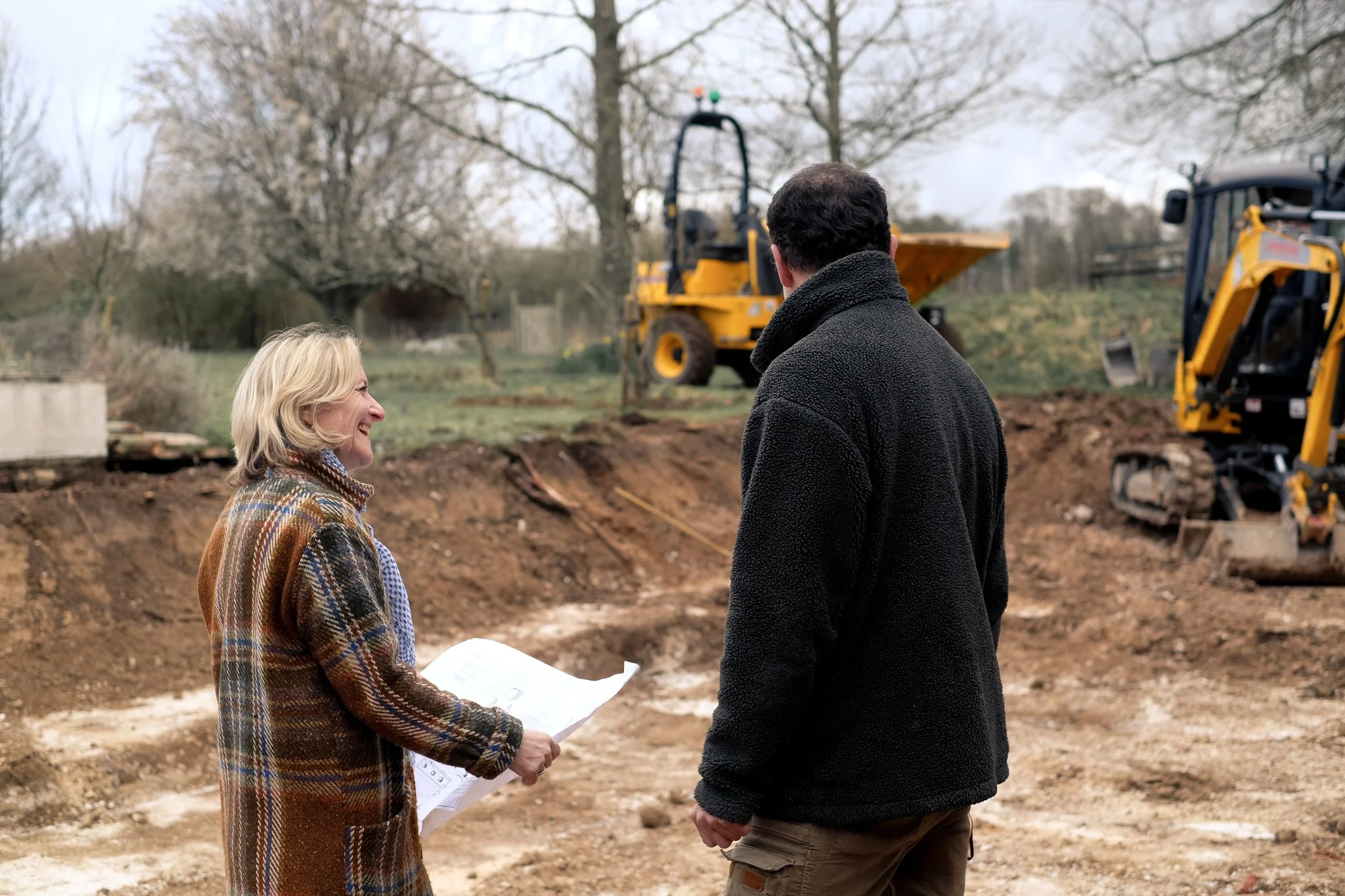
Projects also need monitoring if they are to be built as intended. There are inevitably details to refine, challenges to solve and decisions to make on site. Gardens are created through real-life, on the ground collaboration, practical experience and professional judgement. These are things that no AI app can replicate.
Revived Herbaceous Borders
The Importance of Planting
Planting is often the most underestimated element of garden design.
Successful planting design is about far more than choosing individual plants that look beautiful in isolation. A garden designer who truly loves plants understands the old gardening principle of "right plant, right place".
They understand plants: where they come from, how they grow, how they behave and, in many ways, how they "talk" to one another.
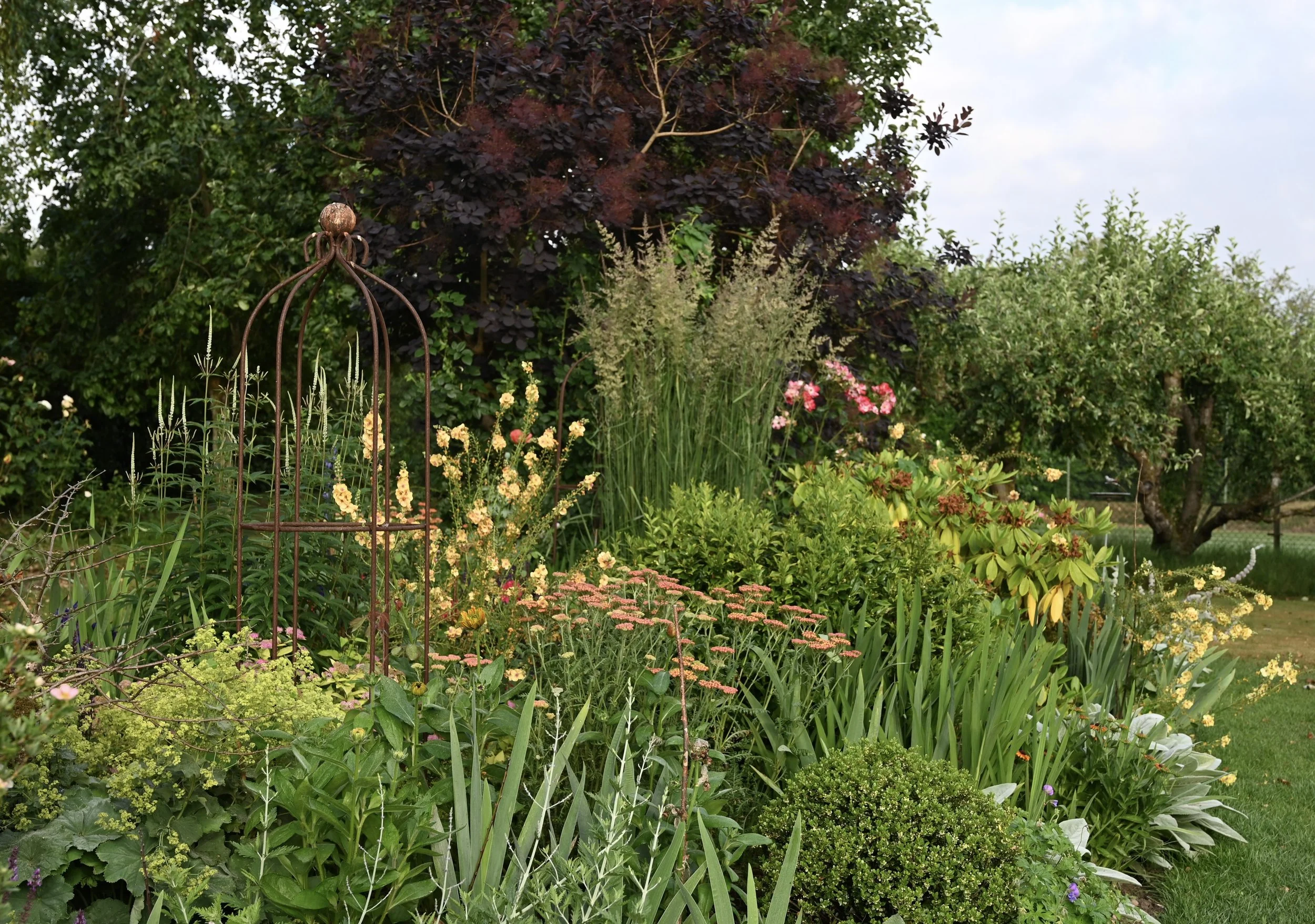
Good planting design considers scale, structure, scent, colour, texture, seasonal interest, maintenance requirements and environmental suitability. It should provide beauty and interest throughout the year, creating atmosphere, encouraging biodiversity and bringing the garden to life.
Professional planting design also helps avoid many common frustrations, including overcrowding, seasonal gaps and gardens that only look good for a few short weeks each year.
And if you want a clue as to whether your garden designer is genuinely passionate about plants, never entirely trust one with perfectly painted nails!
The author’s own garden
Designed to be Dynamic
Unlike interiors, gardens are living spaces that continue to evolve.
One of the most valuable aspects of working with a garden designer is the ongoing support that follows completion. Newly planted gardens require careful nurturing while they establish and mature.
We often help clients find skilled gardeners, work alongside existing garden maintenance teams, and provide regular reviews and annual maintenance plans.
These interventions help a garden develop elegantly over time, ensuring the garden stays true to the original vision.
Ultimately, the best gardens are never created by a formula. They emerge from a careful understanding of people and place, shaped by creativity, experience and imagination. A well-designed garden not only looks beautiful; it enriches everyday life, supports wildlife and grows more rewarding with every passing season.
Read more about my Approach to garden design here or sign up to my newsletter below to receive inspiration for your garden each month.
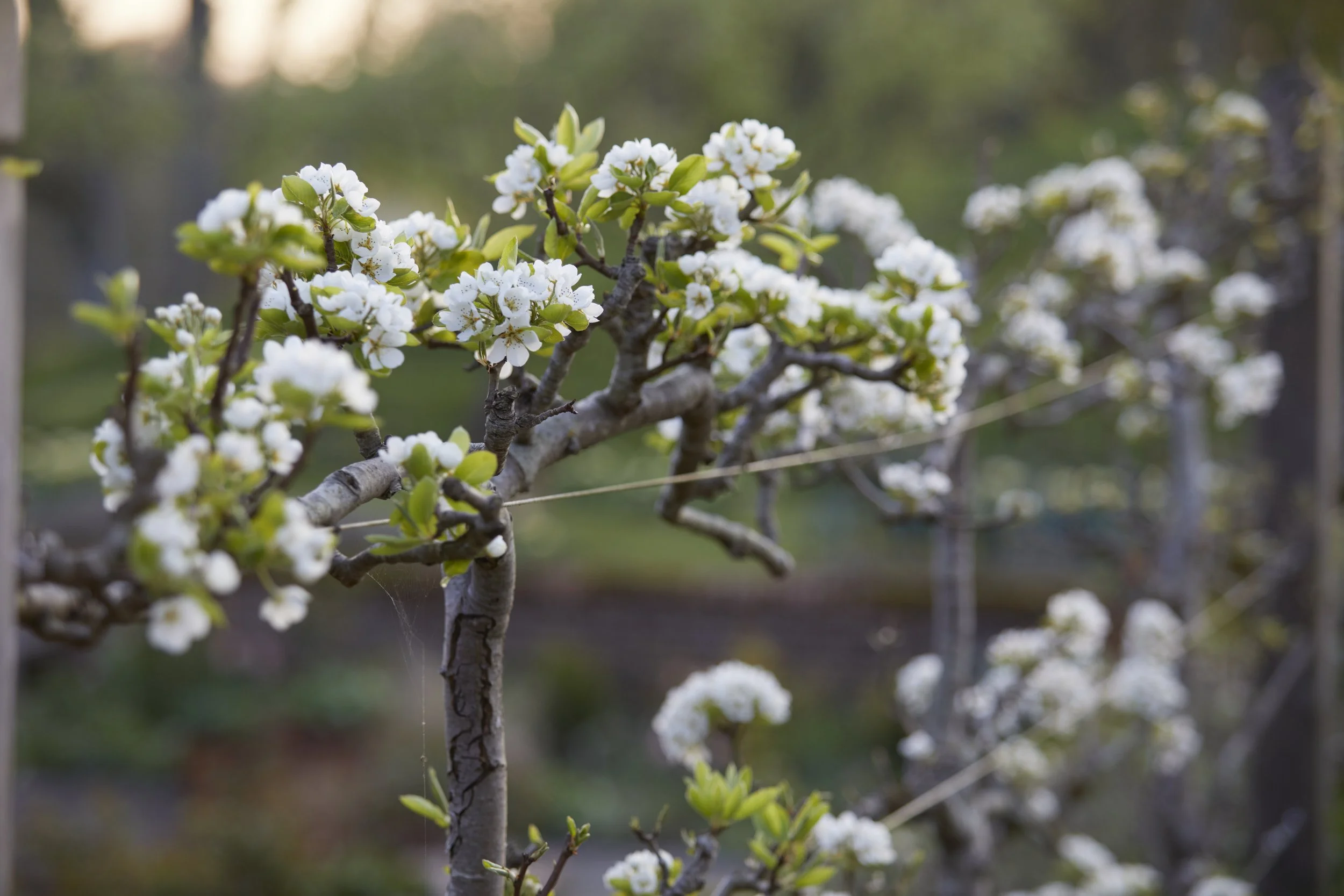
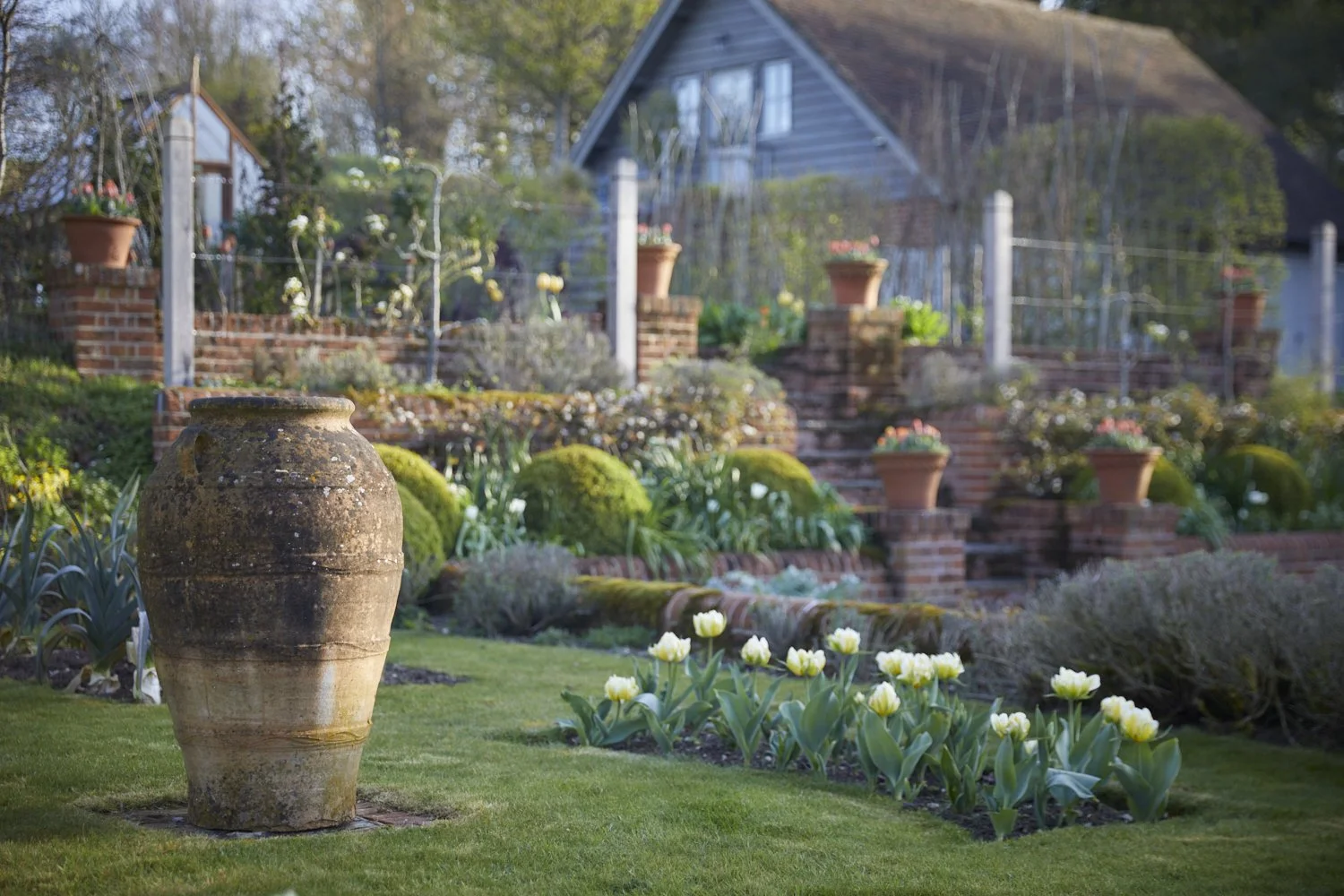
Sensitively pruned espalier pear trees